
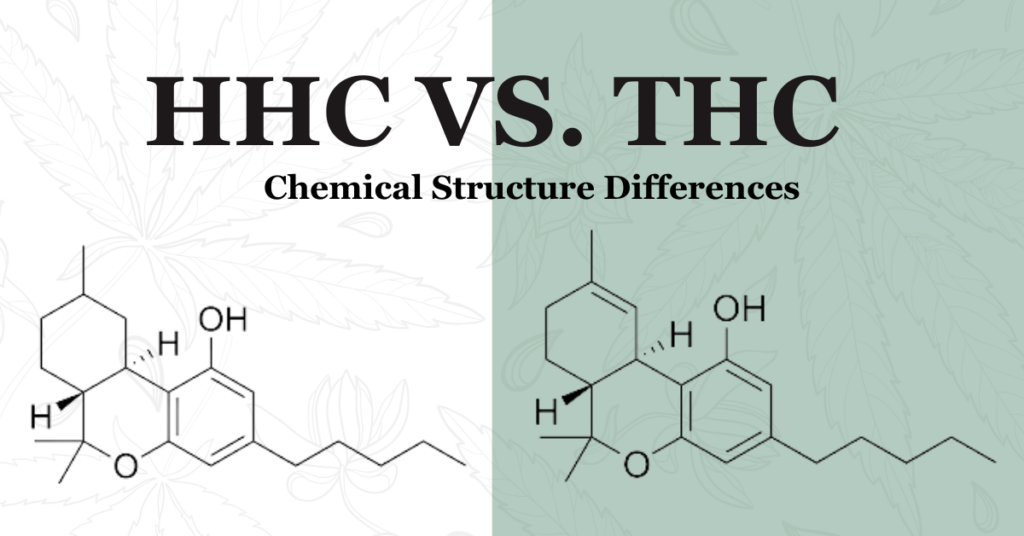
The modern hemp marketplace continues to expand, introducing buyers to an array of novel cannabinoids. Consumers seeking reliable alternative options frequently compare classic tetrahydrocannabinol with hexahydrocannabinol. This comparison, commonly known as hhc vs thc, represents a central topic of discussion among modern cannabis consumers. Selecting the right product requires a clear understanding of molecular structures, potency levels, safety standards, and regional laws. This guide provides an objective, science-backed comparison to help buyers make informed decisions before purchasing premium items from an online cannabis dispensary.
What is HHC and How Does This Hydrogenated Cannabinoid Work?
Hexahydrocannabinol is a unique hydrogenated form of tetrahydrocannabinol. First synthesized in the mid-twentieth century by chemist Roger Adams, this compound undergoes a process similar to the hydrogenation of vegetable oils. By adding hydrogen atoms to the molecular structure, chemists transform the double bonds of THC into single bonds. This specific structural modification creates a highly stable molecule resistant to heat, oxidation, and ultraviolet light. Consequently, HHC products maintain shelf life far longer than traditional cannabis extracts.
When consumed, this cannabinoid interacts with the body’s endocannabinoid receptors. Specifically, the compound binds to CB1 receptors located in the central nervous system. This binding mechanism produces mild to moderate psychoactive sensations, which users describe as clear, uplifting, and physically relaxing. Because of the hydrogenated structure, the body processes this molecule differently, resulting in a smoother, more manageable experience compared to standard THC variants.
Let us explore the chemical structure of HHC more deeply. During synthesis, the conversion of THC into HHC creates two distinct isomers, which are (9R)-HHC and (9S)-HHC. The (9R) isomer binds extremely well to CB1 receptors in the body, producing the signature psychoactive effects. On the other hand, the (9S) isomer has a much weaker binding affinity, acting as a passive element in the mixture. High-quality HHC products feature a high ratio of the active (9R) isomer, ensuring a satisfying and potent session. This chemical saturation with hydrogen atoms also makes the molecule structurally unique, preventing oxygen from breaking down the chemical bonds. This stability explains why HHC products do not degrade into sleep-inducing cannabinoids over time.
The Chemistry Behind Delta-9 THC and Newer Variants
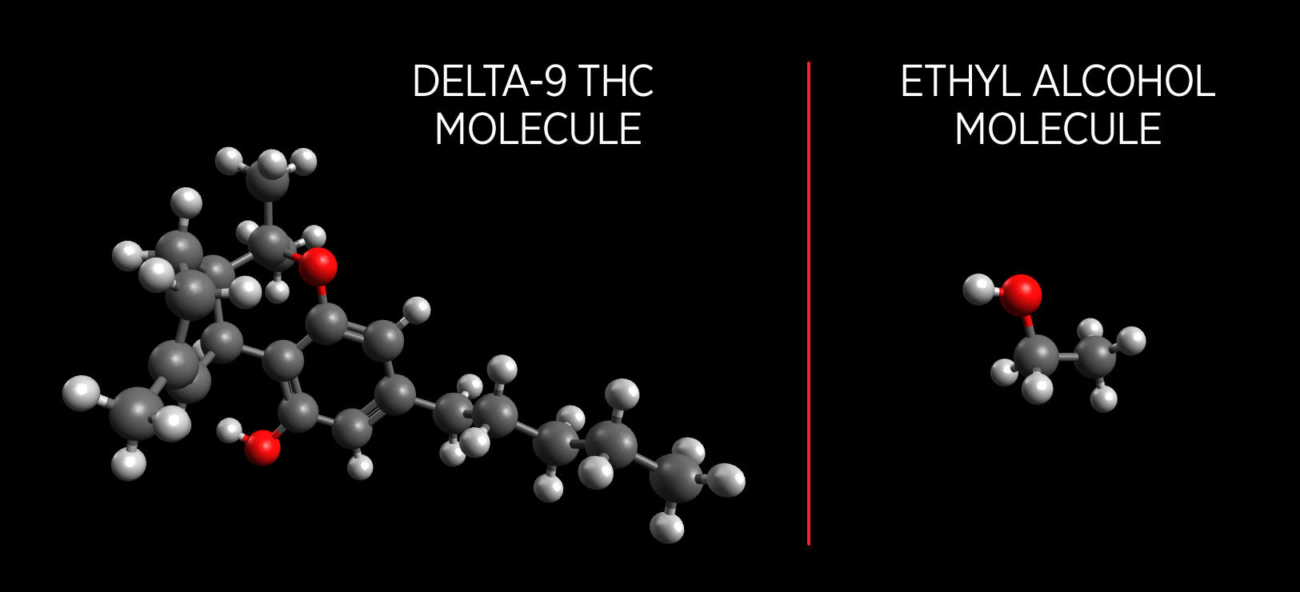
To fully comprehend the range of alternative cannabinoids, one must compare the chemistry of classic Delta-9 THC with newer market additions. Tetrahydrocannabinol is the primary natural psychoactive compound within the cannabis plant. This molecule possesses double bonds in the carbon ring structure, establishing a tight fit with CB1 receptors.
In recent years, alternative variants have entered the market to offer diverse experiences. For example thc a, represents the raw, non-psychoactive acid precursor found in fresh Cali grass. This precursor lacks psychoactive properties until heat converts the acid into standard THC. On the other end of the potency spectrum, thc p features a longer carbon side chain. This extended chain increases receptor affinity, creating a highly potent effect up to thirty times stronger than standard THC. Users seeking precise effects often buy specialized thc oil containing specific concentrations of these unique variants. Each variation offers distinct physiological effects, depending on individual tolerance and receptor chemistry.
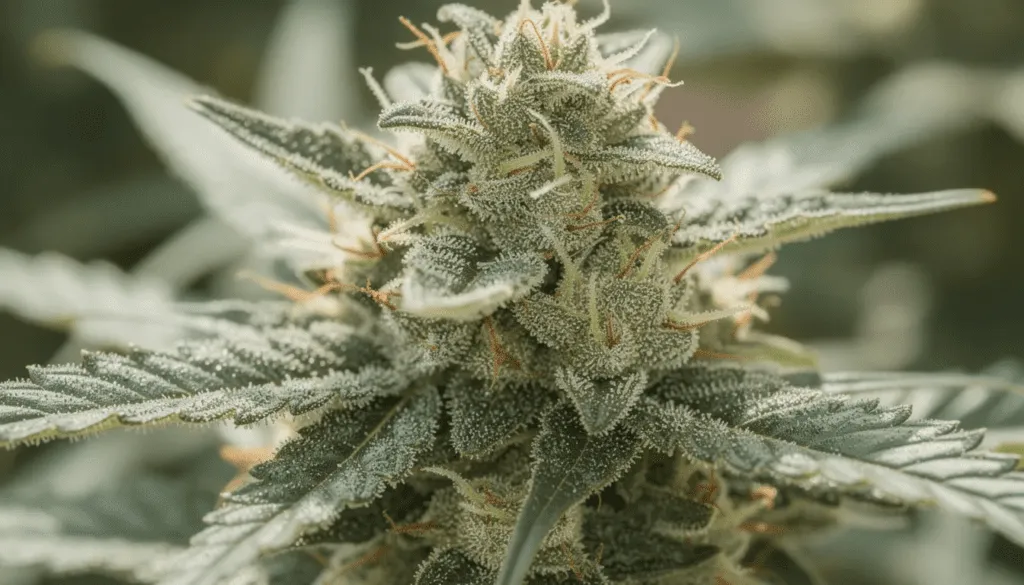
Let us examine how these newer variants interact with human physiology. The primary natural acid, THCA, contains a carboxyl group. This carboxyl group prevents the molecule from crossing the blood-brain barrier. Consequently, raw cannabis flower does not cause psychoactive effects when consumed raw. Applying heat removes this carboxyl group through decarboxylation, transforming the compound into active Delta-9 THC. Similarly, THCP possesses an elongated alkyl chain with seven carbon atoms, whereas standard THC has five carbon atoms. This structural difference increases receptor binding capacity dramatically, delivering intense physical sensations. For consumers interested in exploring these unique properties, buying specialized Concentrates or premium Hashish from a licensed supplier provides a clean, controlled way to explore diverse cannabinoid effects.
Key Differences: Potency, Effects, and Shelf Life
The primary operational distinction between these two compounds lies in potency levels and product longevity. Standard THC delivers a highly intense, euphoric experience, which some individuals find overly stimulating. On the other hand, HHC delivers a milder, clearer cognitive shift, making the compound perfect for daytime tasks and focused relaxation.
Additionally, the structural difference significantly affects how long a product remains potent. Standard THC molecules degrade quickly when exposed to environmental stressors like heat and light. This degradation converts the active compound into CBN, a non-psychoactive cannabinoid associated with sedation. In contrast, HHC lacks double bonds, resisting oxidation and maintaining chemical integrity for exceptionally long durations. For consumers who store products over long intervals, buying HHC from a reliable SHOP ensures the product retains potency and flavor for years.
Another critical factor is how these substances influence mental clarity. Standard THC is known to induce occasional mental fog or mild cognitive disruption, particularly in sensitive individuals. HHC users frequently report a clear-headed cognitive experience, allowing for daily productivity and creative pursuits. This makes HHC highly appealing to professionals seeking a functional option for relaxation without sacrificing focus. In addition, the physical sensation from HHC is often described as smooth and light, whereas THC offers a deep, heavy physical relaxation. These sensory differences allow consumers to customize their experiences based on the time of day and specific wellness requirements.
Safety, Extraction, and Legal Compliance Across Regions
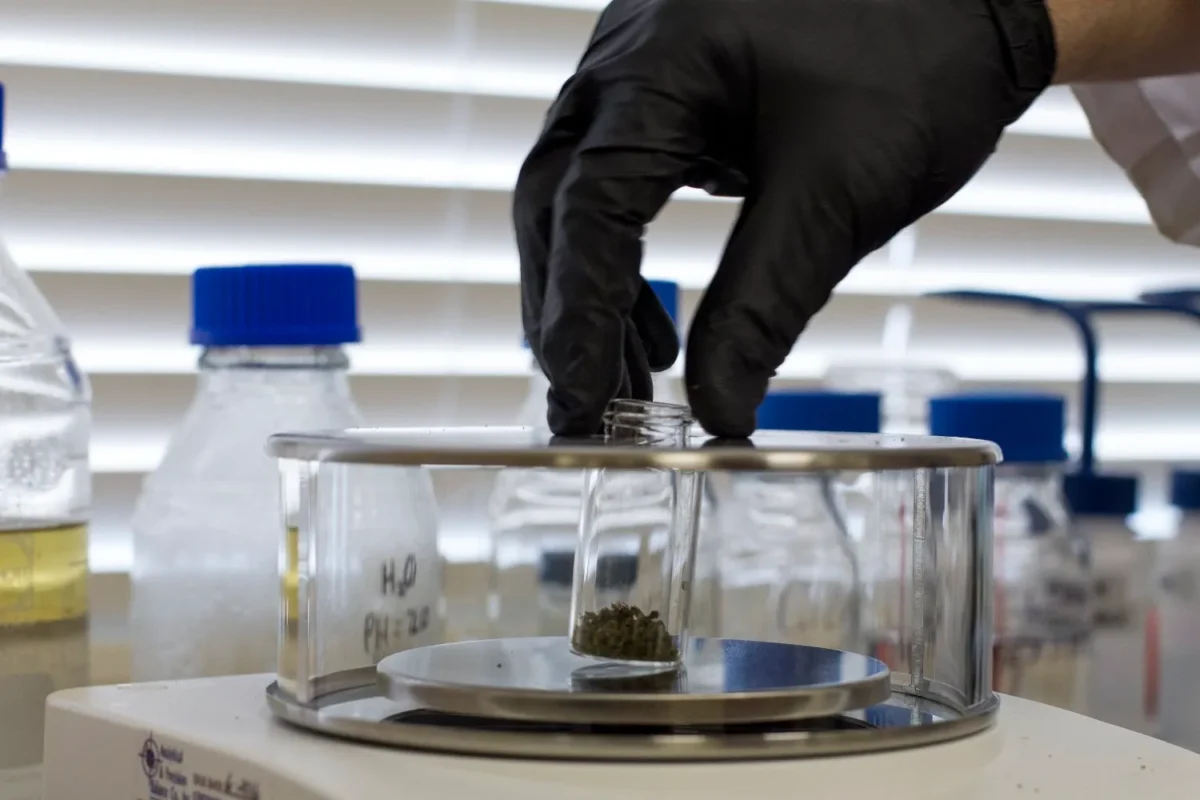
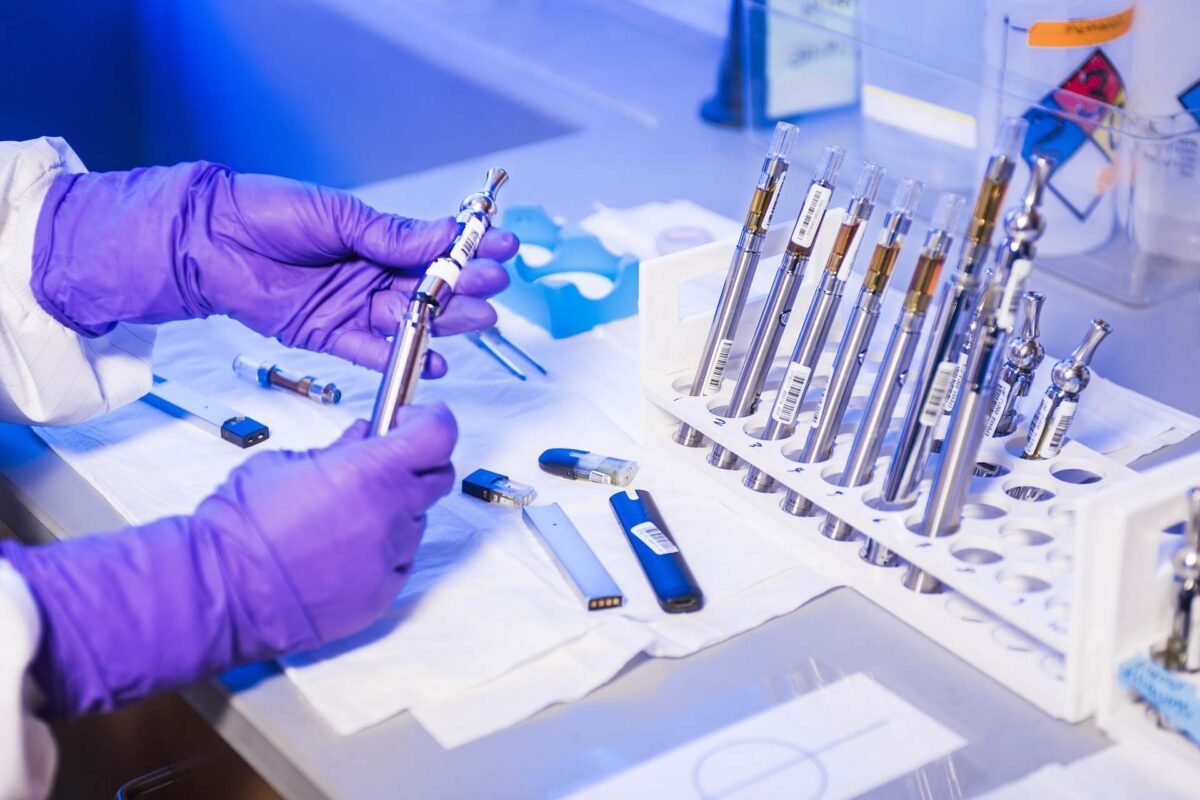
Ensuring safety is a critical priority when exploring newer cannabinoid variations. Because HHC exists only in trace amounts in hemp plants, manufacturers produce commercial volumes via chemical conversion. This process must be executed by skilled technicians under strict laboratory controls. A high-quality cannabis dispensary provides comprehensive third-party lab results verifying the absence of heavy metals, residual acids, and chemical solvents.
Regarding legal compliance, the 2018 Farm Bill legally distinguishes hemp products from marijuana. Under this federal framework, hemp derivatives containing less than 0.3 percent Delta-9 THC are legal. Because HHC is derived from hemp-derived CBD and contains no Delta-9 THC, the compound complies with federal regulations. This legal compliance allows users in states with strict cannabis laws to acquire high-quality alternatives safely. Nevertheless, local state laws continue to evolve, and buyers must verify regional rules prior to ordering.
Due to the synthetic conversion required to create HHC, production standards must be exceptionally high. Low-grade manufacturers often release products containing chemical contaminants or heavy metal residues. This issue emphasizes the importance of verifying lab reports from independent facilities. Third-party testing ensures the final product is clean and accurately labeled. Regarding safety profiles, clinical data from the National Institutes of Health shows cannabinoids generally exhibit a high safety threshold, provided the products are free from synthetic impurities. Choosing premium-grade options from a reputable supplier ensures you receive pure, tested formulations designed for safe enjoyment. In addition, the WebMD medical guide on cannabinoids highlights the importance of matching cannabinoid dosage to individual tolerance levels to avoid adverse effects like dry mouth or mild dizziness.
Choosing Your Ideal Consumption Method: Vapes, Oils, and Edibles
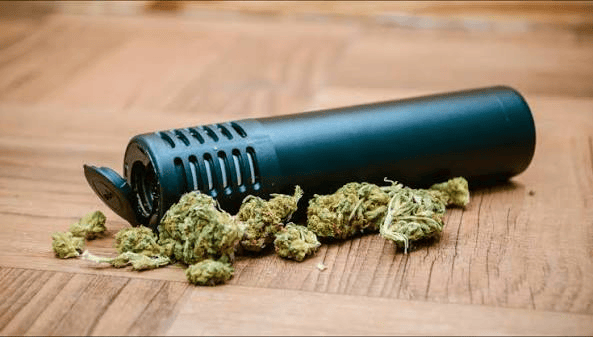
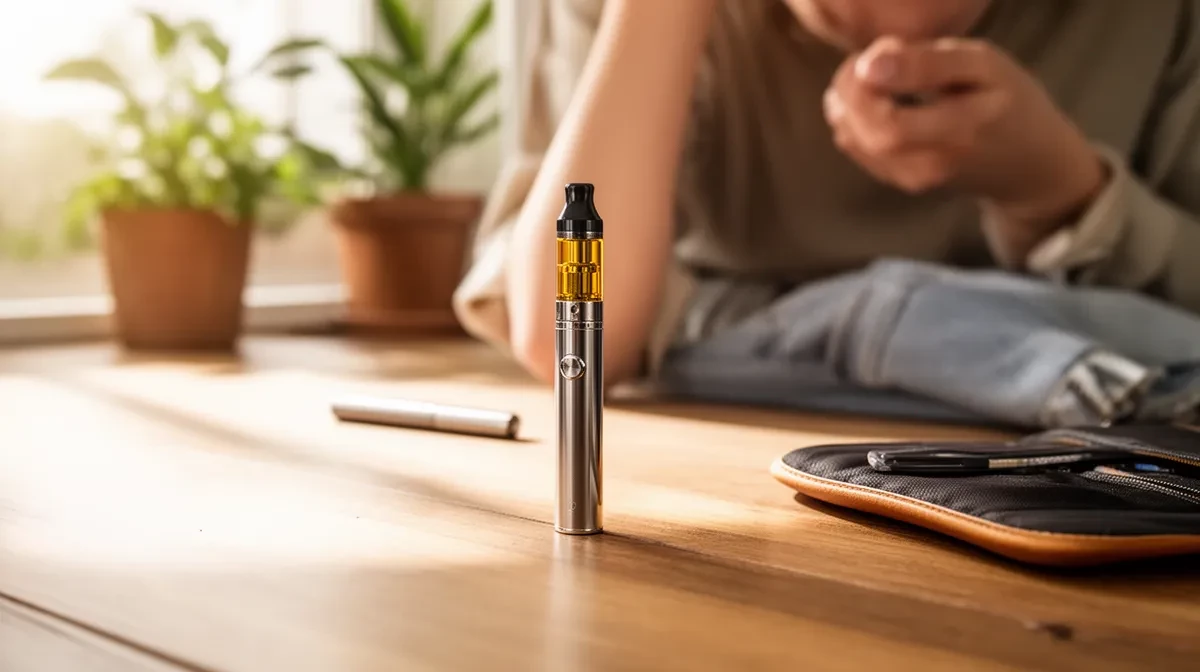
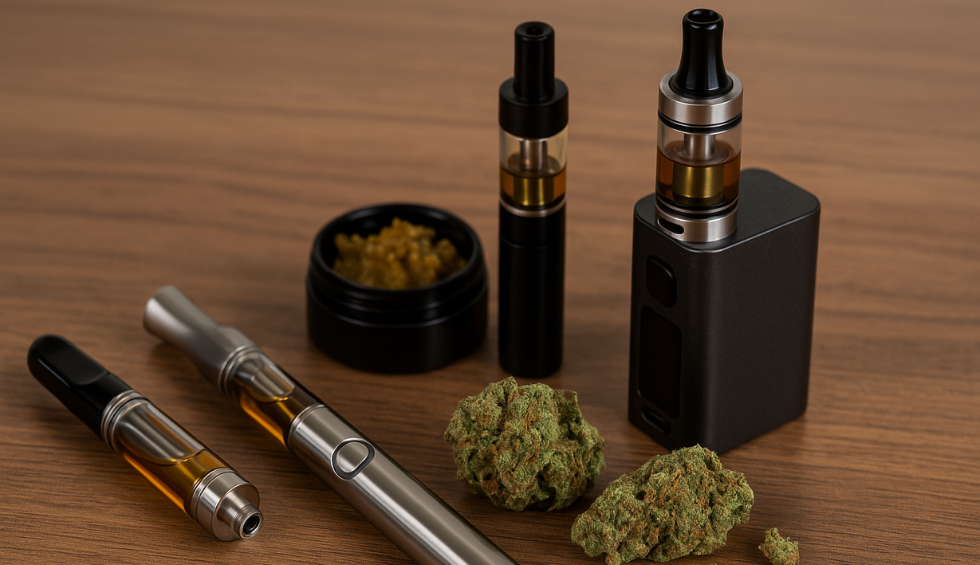
Selecting an appropriate consumption format depends on individual preferences and desired onset times. A premium vape is a highly efficient delivery mechanism, providing rapid absorption through the lungs. This inhalation method allows cannabinoids to enter the bloodstream almost immediately, offering quick physical comfort.
Alternatively, delicious edibles offer a completely different experience. When digested, compounds pass through the liver, converting into stronger metabolites delivering prolonged effects lasting up to eight hours. For individuals seeking direct sublingual absorption, premium cannabinoid oils offer highly precise dosing. Buyers seeking a trustworthy provider should visit the HOME page of Prime THC Supply to explore clean, laboratory-tested formulations. Whether you prefer traditional flower, convenient Disposable vapes, or potent concentrates, choosing a reputable source remains essential to securing pure products.
Inhalation remains a favored option for fast relief. A premium disposable vape delivers pre-dosed, vaporized cannabinoids directly to the lungs, avoiding combustion byproducts associated with smoking. On the other hand, oral ingestion via delicious Edibles offers a slower onset, typically requiring one to two hours to take effect. This slow onset occurs because the active compounds travel through your digestive tract and liver. During this metabolic process, enzymes convert the cannabinoids into more stable metabolites, prolonging the physical effects significantly. For users desiring maximum control, sublingual drops provide a middle ground, offering moderate onset times with precise liquid measurements.
Factors to Consider Before Ordering From a Reliable Source
Before making an online purchase, evaluating safety and manufacturing standards is vital. Responsible suppliers publish up-to-date Certificates of Analysis from independent laboratories. These certificates confirm precise compound ratios and guarantee the product is free from harmful chemical contaminants.
In addition, examine the shipping protocols of the seller. Trustworthy vendors package orders discreetly, using vacuum seals to maintain compound freshness and protect buyer privacy during transit. If you have questions about specific product ingredients or extraction processes, contacting customer support remains an excellent way to gauge vendor transparency. Reviewing client feedback also provides helpful insights into product flavor, potency, and shipping reliability.

Final Verdict on Finding Your Perfect Cannabinoid Match
Selecting between HHC and THC depends heavily on your lifestyle goals and physical tolerance. HHC is a superb option for individuals desiring a milder, focus-enhancing experience with long-term chemical stability. Classic THC remains the ideal selection for experienced users seeking profound relaxation and deep physical comfort. Both options present distinct advantages when manufactured to high standards.
To ensure consistent satisfaction, select premium products from Prime THC Supply. Our carefully curated inventory features top-tier selections designed to elevate your wellness routine safely and reliably. Visit our CONTACT US page to reach our expert support team for personalized product guidance today.